
Van Heek Medical - 100 years of care, innovation and Twente sobriety

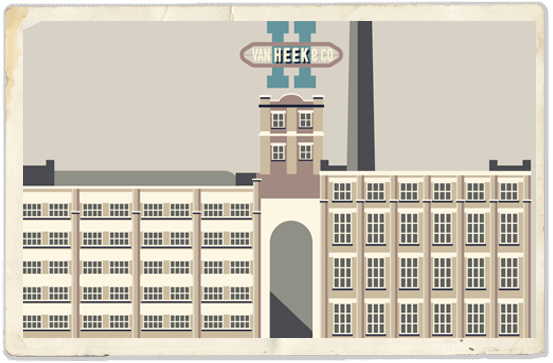
In 1926, Van Heek Medical began weaving bandages in Losser, Twente - a modest start to what would grow into a trusted name in the medical devices industry. Now, a hundred years later, we are celebrating a century in which we have helped millions of people shape their lives in their own way.

Van Heek Medical has stood for quality, reliability and commitment for a century. We have grown up with products for wound care, incontinence and diabetes care, but have always remained ordinary. Our roots in Twente still form the basis of who we are: practical, caring and with an eye for the person behind the care question.

2026 marks not only a milestone, but also a moment of pride and gratitude. Together with healthcare professionals, partners and users, we look back on a hundred years of meaningful care - and confidently look ahead to the future.


0%

100 years Van Heek Jubilee Quiz

1 / 7

In which year was Van Heek Medical founded?

2 / 7

What was Van Heek Medical's original specialism?

3 / 7

What did it mean if a metal first-aid kit was painted red and stamped “with sulphanilamide”?

4 / 7

What development caused reusable bandages to be replaced?

5 / 7

How many years will Van Heek Medical be celebrating in 2026?

6 / 7

Where was Van Heek Medical founded in 1926?

7 / 7

Why were metal first-aid boxes replaced by cardboard versions in 1943?

Your score is

0%

Did you know...

Bandages used to be simply washed and reused?

At a time when hygiene and comfort were not self-evident, this was daily practice in healthcare. Bandages were washed out, reapplied and reused again and again. It was labour-intensive and not always optimal for the patient.

Fortunately, healthcare has grown with it. Thanks to modern materials, dressings are now sterile, comfortable and promote recovery. They fit the skin better, regulate moisture and protect against infections. This is not only smarter for the patient, but also more efficient and safer for the healthcare professional.

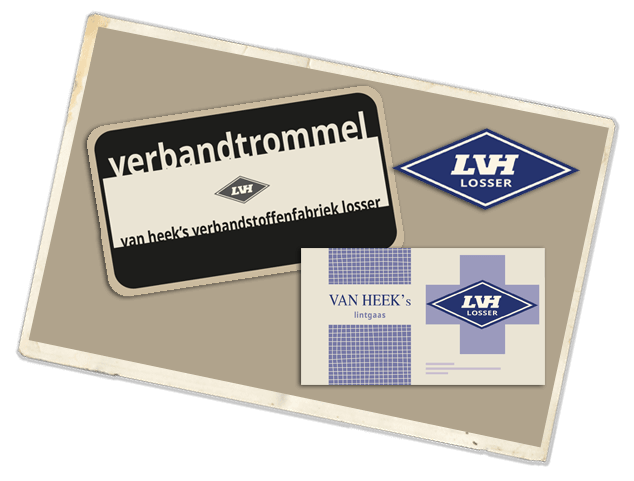
Van Heek photo book

Did you know...

Bandage boxes were adjusted according to the availability of materials?

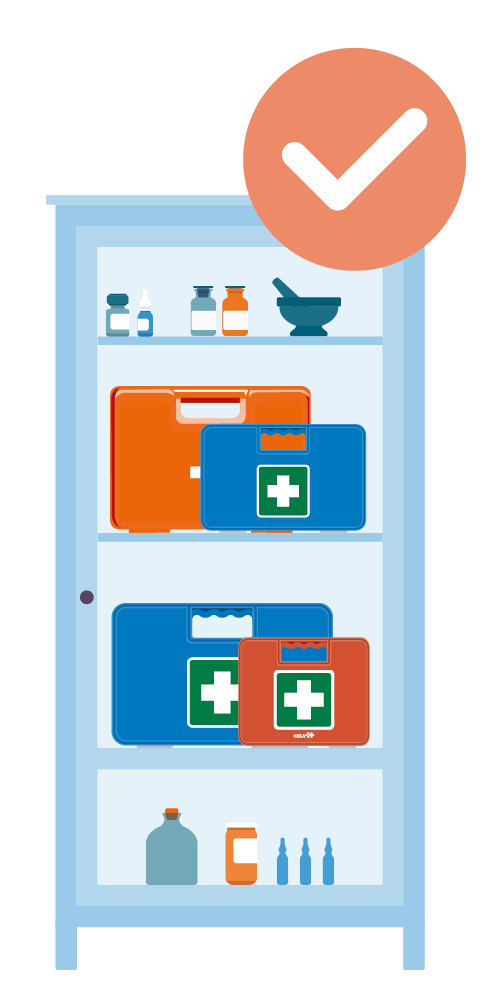
In 1943, in the middle of the war, metal became a scarce commodity. The army had to make choices: metal went to weapons, vehicles and ammunition. As a result, the metal containers of first-aid kits were replaced by wax-coated cardboard boxes. This was not only an emergency solution, but also an early form of material optimisation in times of crisis.

Cardboard boxes were lighter, cheaper and quicker to produce. They provided sufficient protection for the sterile Carlisle dressing inside, and could even be printed with instructions or warnings - something that was more difficult with metal. To avoid confusion during the transition, old metal boxes were painted red if they had been supplemented with sulphanilamide powder, and marked with clear stamps such as
“with sulphanilamide”. That way, every soldier or aid worker immediately knew what was in it.

This adaptation shows how logistics, medical care and materials management went hand in hand in wartime - and how dressings were not only life-saving but also a mirror of the conditions in which they were used.

Questions? Ask them via the contact form and we will get back to you as soon as possible. Prefer to speak to our Romy, Nikki, or Emma? They are all ears.

Call T +31 (0)88 220 88 22.

Van Heek Medical
Macroweg 10
5804 CL Venray, Netherlands
info@vanheek.com
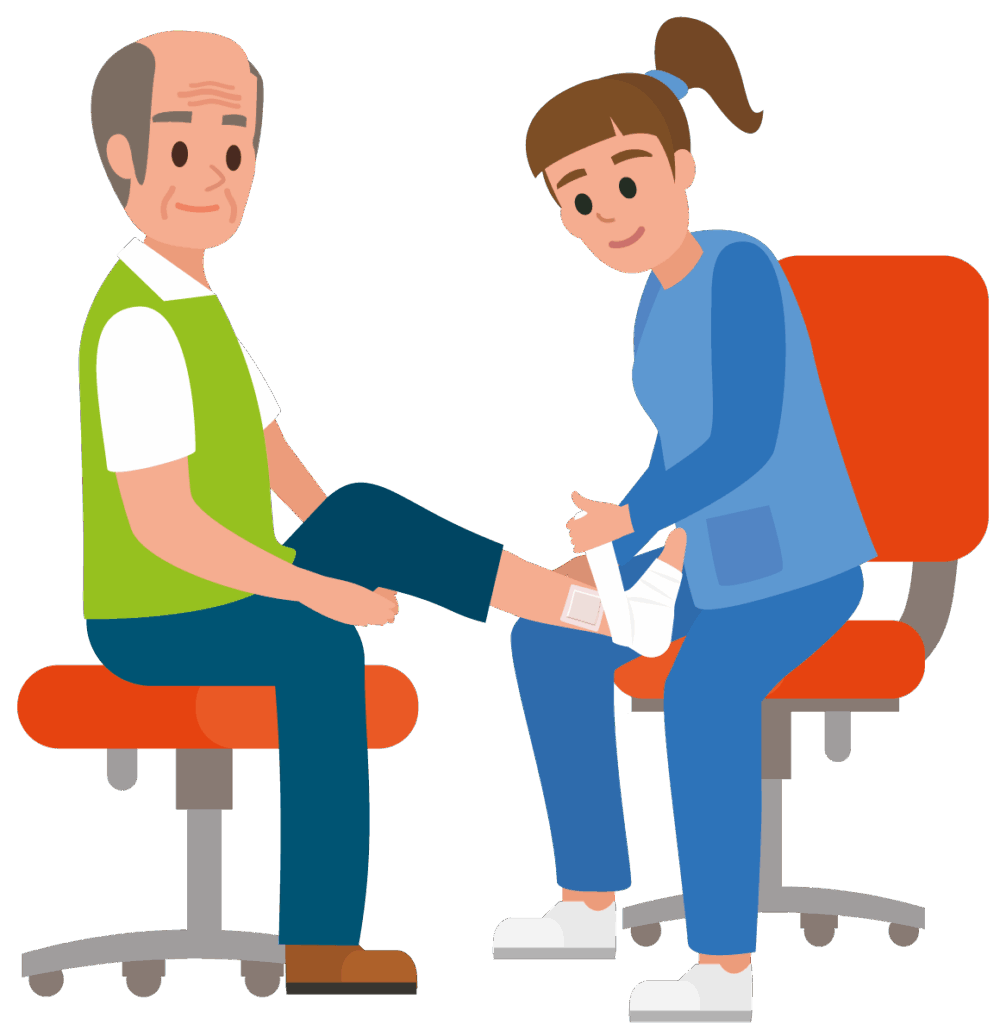
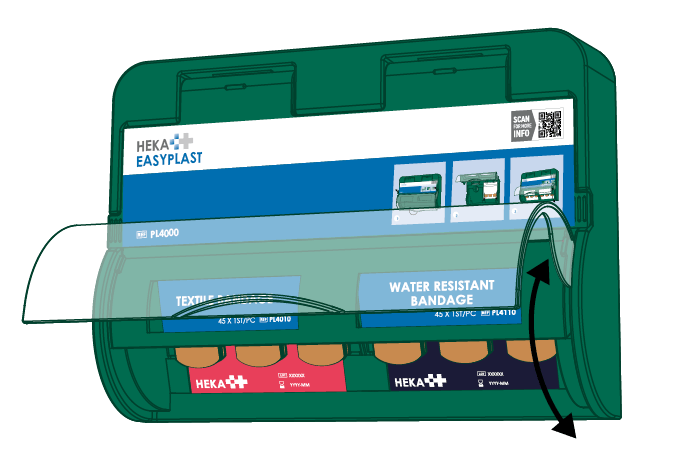
New: Heka EasyPlast
Plaster dispenser

Sir, just stick it on and go. It can be that easy!