Heka Dur 2 (Lite)

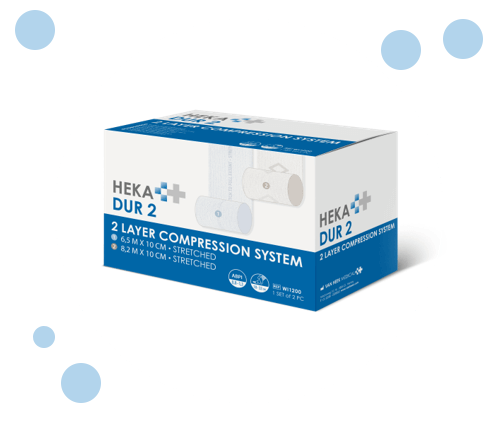
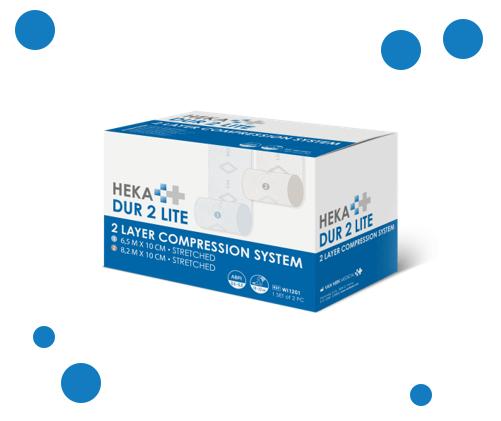
Meet the new 2-layer compression system: Heka Dur 2 

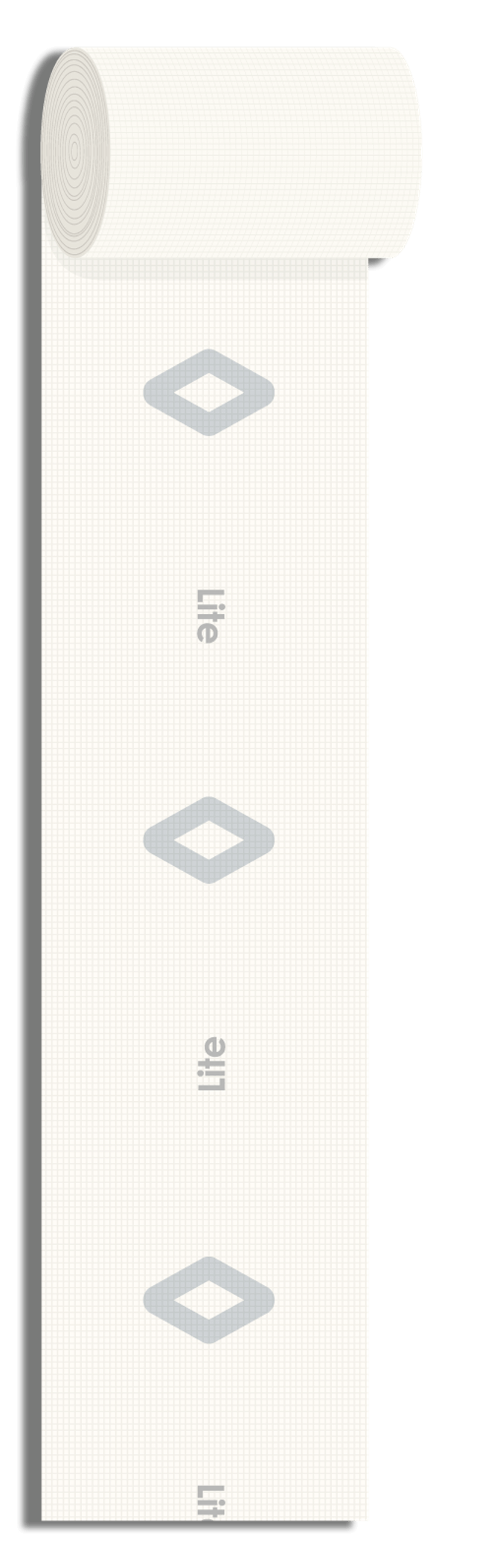
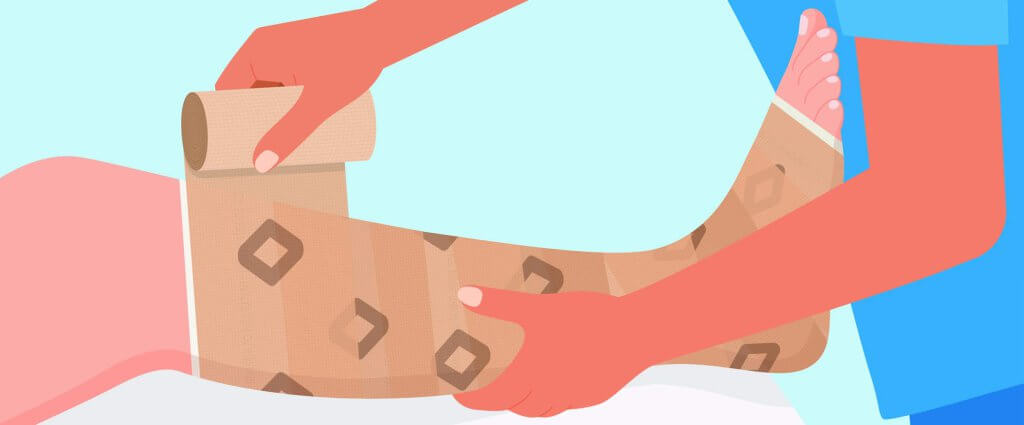
The product contains two adhesive layers with indicator. As a result, these bandages are easy to apply and achieve the right pressure without difficulty.

So with Heka Dur 2, you don't have to worry anymore!

Heka Dur 2

Heka Dur 2 (Lite)

That's why you choose Heka Dur 2

  • Can be worn for up to 7 days

  • Prevents excessive stretching

  • Can be worn with most shoes

  • Anti-slip effect through the second, self-adhesive layer
  • Optimal pressure distribution thanks to convenient indicators

  • Easy to tailor by simple tear-off

  • Optimal wearing comfort thanks to skin-friendly material

Heka Dur 2

Heka Dur 2 for a try yourself? Check out the product in the webshop!

Why 2 layers?

Heka Dur 2 Lite

Want to try Heka Dur 2 (lite) for yourself? Check out the product in the webshop!

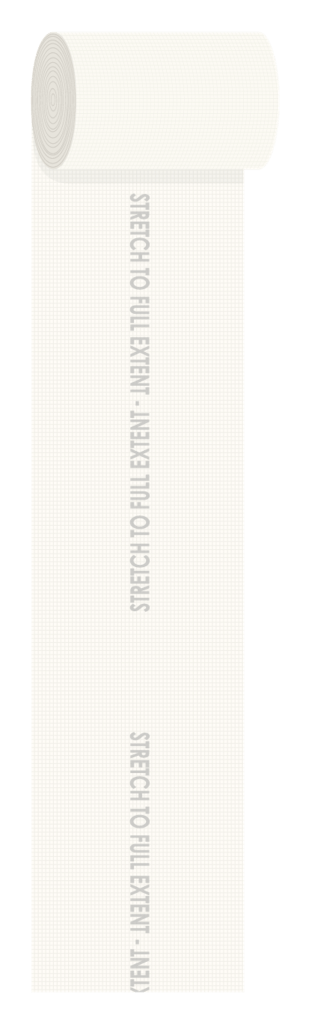
1st layer

  • Self-adhesive non-woven inner layer
  • Distributes the pressure of the outer compression layer evenly over the leg
  • Prevents overstretching
  • Easy to fit by simply tearing off

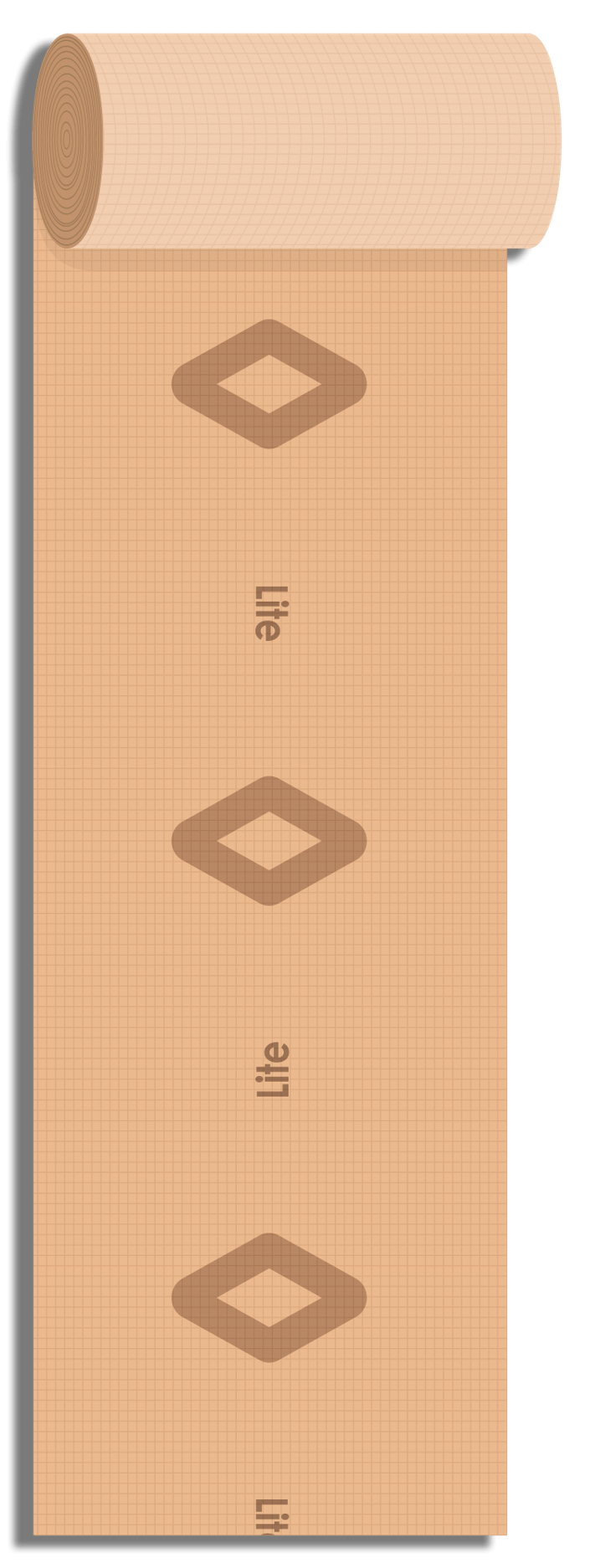
2nd layer

  • Permanent elastic bandage that provides compression effect due to its properties
  • Prevents sliding and sagging thanks to self-adhesive coating
  • Easy to fit by simply tearing off

Oedema legs, what to do?

Oedeem benen

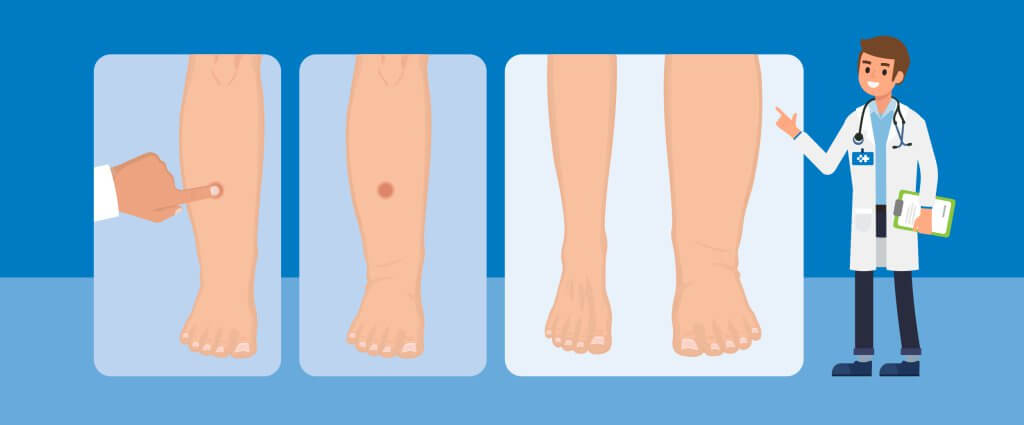
Oedema is a medical condition. In it, excess fluid accumulates in the body's tissues. This leads to swelling. 


E-Learning bandaging

Find out everything you need to know about applying 2-layer bandaging with our comprehensive and interactive new E-learning course: Compression Bandaging. 

Bandaging protocol

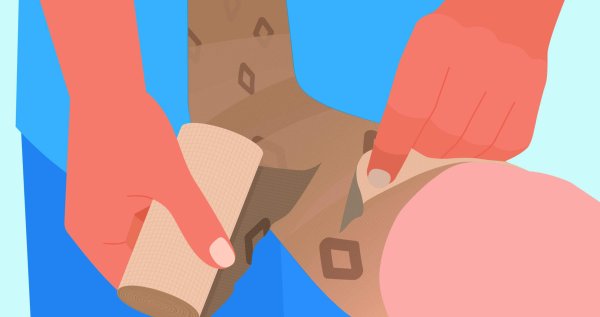
Compressive bandaging is a medical technique. This involves using elastic bandages to apply pressure to a specific body part....
Zwachtelen protocol - stap 10

Request your workshop

Tips & tricks

Heka Dur 2 can stay on for up to 7 days. This obviously reduces the frequency of bandaging, but is this feasible when there is also a wound?

With the products of Curea the answer is yes!

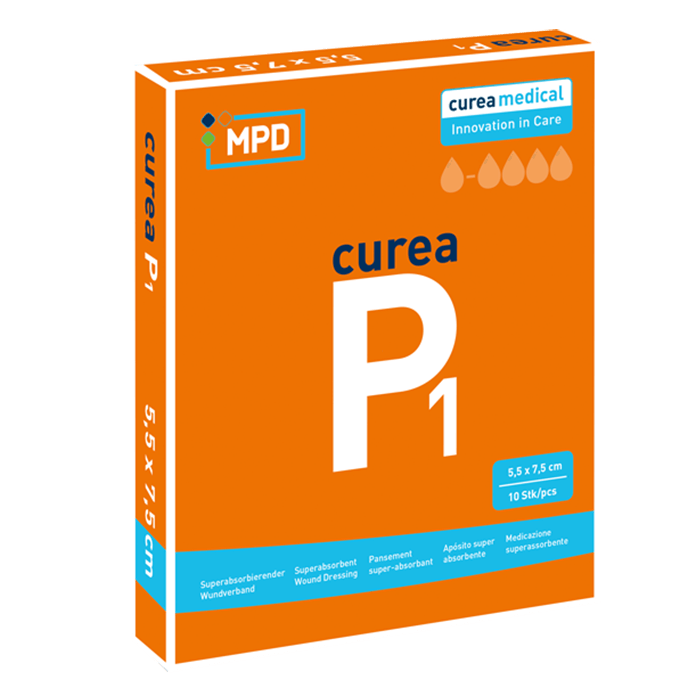
  • Super-absorbent dressing
  • Can last up to 7 days
  • Minimises odour
  • Applicable in combination with compression therapy
  • Creates a moist wound environment for optimal healing

FAQ

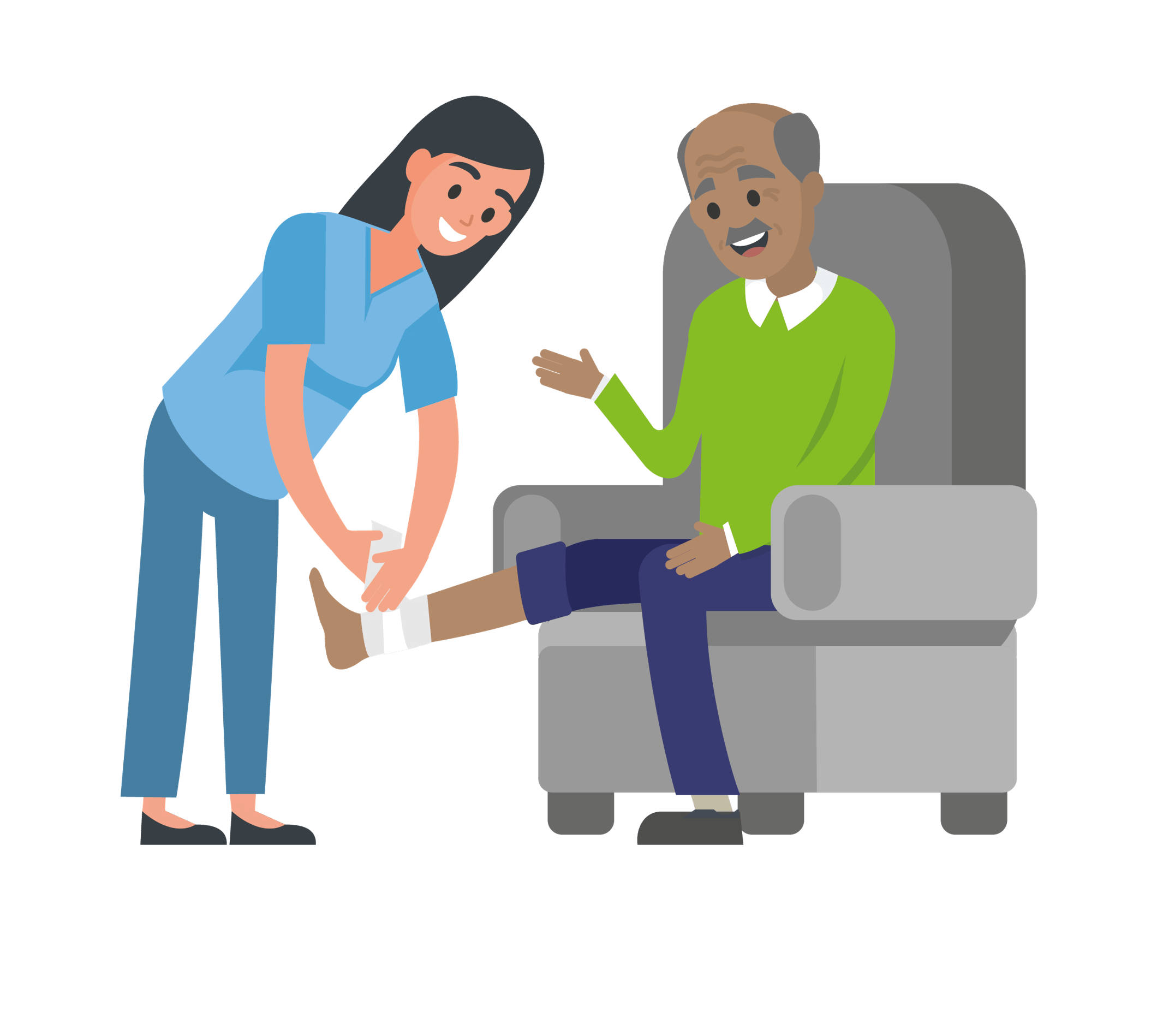
Bandaging is a medical technique. It involves wrapping an elastic bandage or bandage around a body part. Pressure is thus applied. It is often used to treat oedema (fluid accumulation) or wounds. But also after an injury or sprain.  

There are several reasons for bandaging. We list some of them for you:

  • Reduction of fluid accumulation;
  • Improving blood circulation;
  • Muscle and joint support;
  • Supporting wound healing;
  • Relief of pain and swelling.

2-layer bandaging offers several advantages over single bandage systems. Here are some key reasons why this method is used:

  • Constant pressure: 2-layer bandage systems provide more constant pressure over a longer period of time;
  • Longer gestation period: These bandages can stay on for up to a week without sagging.
  • Improved comfort: patients often find 2-layer bandages more comfortable. This is because they sag less and stay in place better;

Better mobility: despite looking thicker, the system is often thinner than short-stretch bandages. This allows patients to continue wearing their own shoes and remain more mobile.

You may apply cream to intact skin under the first layer. Is it a wound? Follow that it wound protocol.

When you start bandaging, start at the base of the little toe. However, it is important not to bandage the toes.

When using a 2-layer bandage system, it is usually recommended to start with one leg. Check this leg after 2 days. After that, the second leg can also be bandaged. Then check again after three days. After this, you can build it up further to five days and then to seven days. 2-layer bandages retain their pressure longer. As a result, they sag less quickly than single-layer bandages.


In certain situations, you should not bandage. This can pose health risks. Examples of such circumstances are:

  • Acute heart failure: Do you start bandaging legs when someone suffers from acute heart failure? Then fluid can be pushed towards the heart. That can be fatal;
  • Severe arterial problems: Is the blood supply to the skin and subcutaneous tissue reduced? Then bandaging can lead to ulcers or even tissue death;
  • Severe skin conditions: Are there skin conditions or wounds that require care more than three times a week? Then bandaging may worsen the situation;
  • High blood pressure: bandaging can increase blood pressure. This can be dangerous when someone already has high blood pressure;
  • Poor arterial blood flow: there are certain conditions where arterial blood pressure at the ankle is below 60mHg. For example, etalage legs (intermittent claudication). In that case, bandaging can further impede blood flow.

It is advisable to perform an ankle-arm index and toe pressure measurement before bandaging.

Bandaging is an effective treatment for oedema, or fluid accumulation. It is used for several reasons:

  • Reduction of fluid accumulation;
  • Improving blood circulation;
  • Tissue support;
  • Accelerate wound healing.

Bandaging is a technique that needs to be applied carefully. Both to be effective and to avoid complications. Want to know what steps to follow? Then take a look at our bandage protocol.  

New: Heka EasyPlast
Plaster dispenser

Sir, just stick it on and go. It can be that easy!