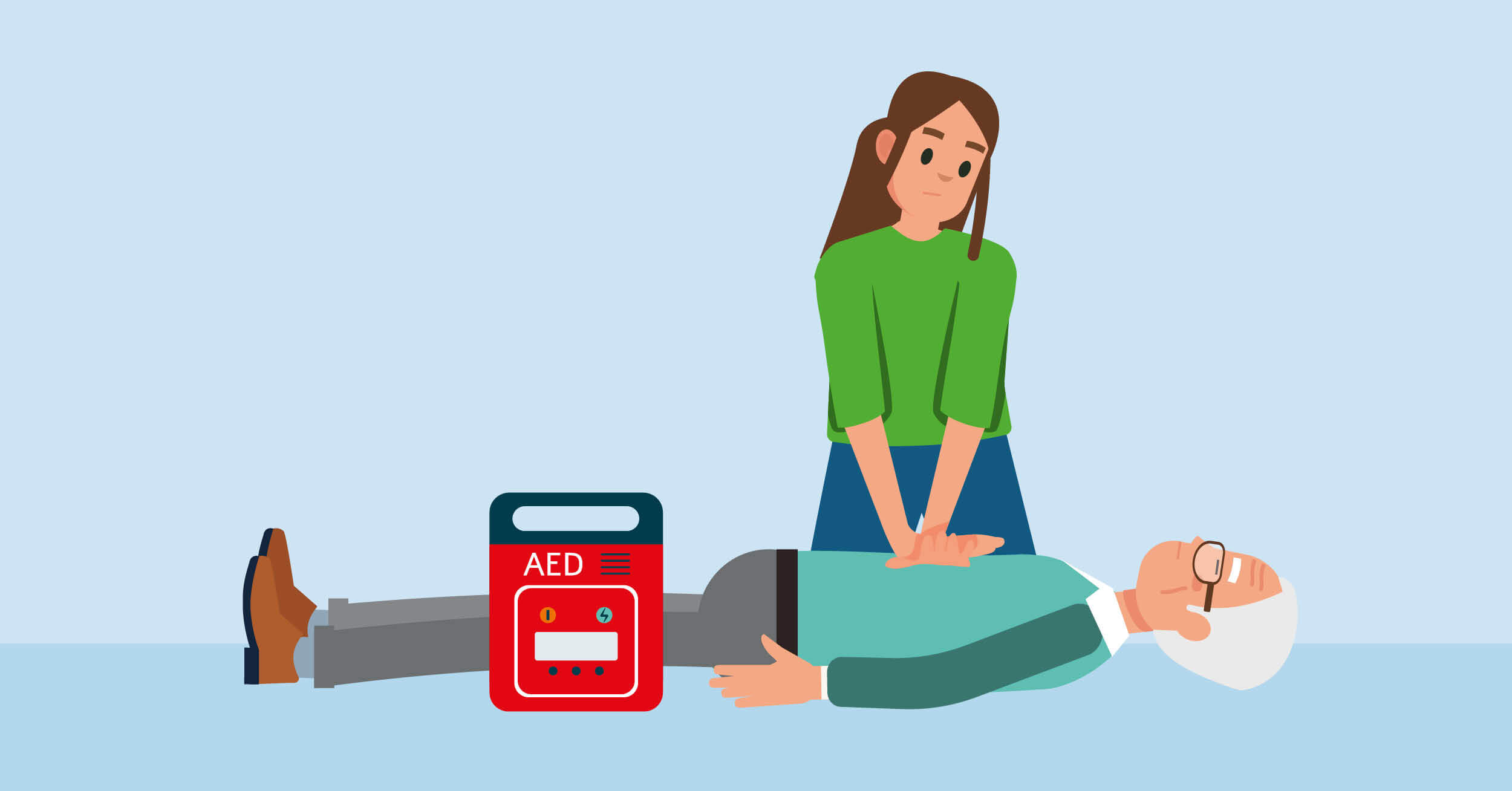
An AED, or Automatic External Defibrillator, is a life-saving device that can be found more and more often in public places. But what exactly is an AED, what is it for, and why is it so important? In this blog, we explain it all.
What is an AED?
An AED is a portable device used in case of cardiac arrest. The device analyses the victim's heart rhythm and, if necessary, delivers an electric shock to return the heart to a normal rhythm. This process is called defibrillation and can make the difference between life and death.
An AED consists of several components, including electrodes placed on the victim's chest, a computer that analyses the heart rhythm, and a battery that delivers the electric shock. Modern AEDs are designed to be easy to use, even by people with no medical background. They provide spoken instructions and visual cues to guide the user through the process.
What is an AED for?
An AED is used to restore the heart rhythm to someone in cardiac arrest. When someone goes into cardiac arrest, the heart stops pumping and there is no blood circulation. This is life-threatening and requires immediate action. Using an AED within the first six minutes of a cardiac arrest can significantly increase the chances of survival.
Using an AED is a crucial part of the resuscitation chain. Besides administering an electric shock, the AED also guides the user to perform chest compressions and ventilations. This ensures that the victim has the best possible chance of survival until professional help arrives. It is important that as many people as possible know how to use an AED and where to find one in an emergency.
What difference does an AED make?
The biggest difference an AED makes is the chance of survival in cardiac arrest. Without CPR and defibrillation, the chance of survival drops by 10% per minute. An AED can significantly increase this chance by intervening quickly and effectively. Moreover, modern AEDs are designed to be used by anyone, even without medical knowledge. This makes the device indispensable in any neighbourhood, sports club, business or household.
Besides increasing survival rates, an AED also helps reduce permanent damage to the heart and brain. By acting quickly and restoring heart rhythm, blood circulation can be restored, which is essential for preserving vital organs. Having an AED nearby also gives people a sense of security and preparedness, knowing they can act in an emergency.
Heka first aid backpack
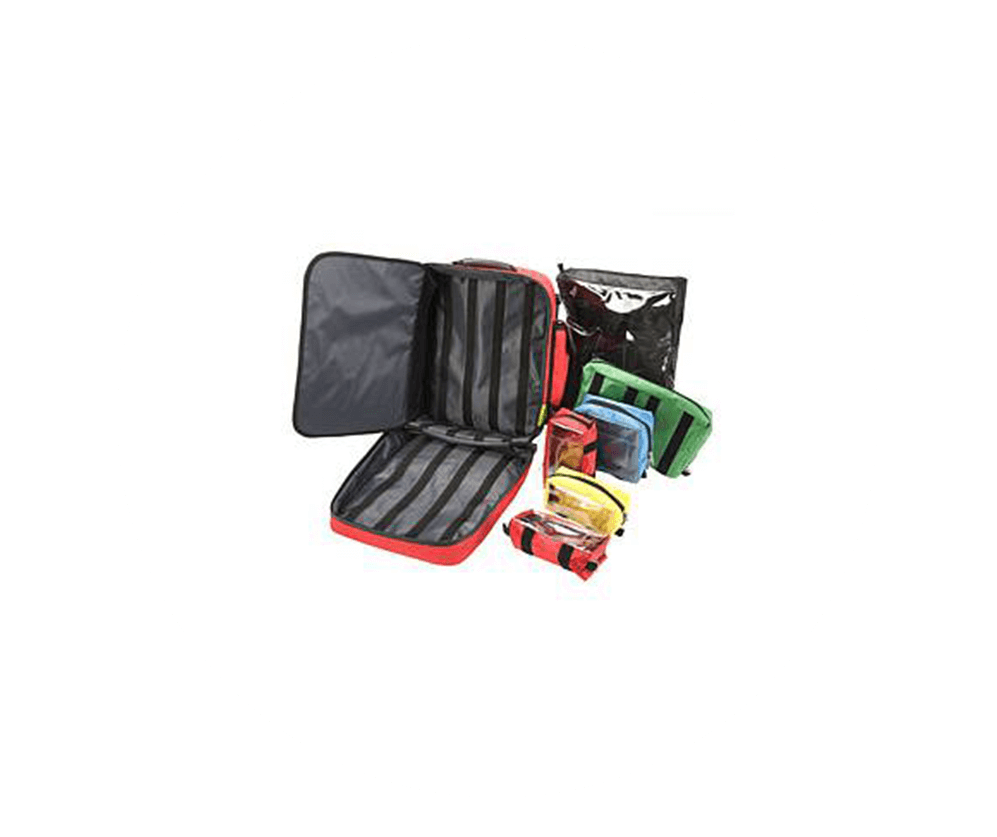
The Heka first aid backpack BHV 2021 is made of sturdy and high-quality material. Inside this backpack are easily removable pouches, which are attached with a Velcro fastener. An AED can be stored in the backpack.
AED locations map
It is crucial that AEDs are placed in strategic locations so that they are quickly accessible in case of an emergency. Many communities now have maps showing the locations of AEDs. Websites such as OpenAEDMap and HeartbeatNow offer interactive maps that allow you to quickly find the nearest AED. This can save lives by ensuring emergency responders have quick access to an AED.
There are also initiatives where volunteers are trained to use AEDs and respond to emergencies. These volunteers can use an app such as HeartbeatNow app are called to the scene quickly and provide assistance. It is important that everyone knows where the nearest AED is and how to use it, so that together we can save lives.
By sharing this information, we hope more people will become aware of the importance of AEDs and how they can help save lives. Make sure you know where the nearest AED is and do not hesitate to take action in case of an emergency.
Check AEDs in your area. In case of a resuscitation, we may ask you to get an AED. It saves time if you know where the AEDs can be found.
Disclaimer
Van Heek Medical heeft dit blogartikel met de grootst mogelijke zorgvuldigheid geschreven met behulp van externe deskundigen. Ondanks de betrachte zorgvuldigheid staat Van Heek Medical er niet voor in dat de informatie volledig, juist en/of up-to-date is. De informatie is uitsluitend bedoeld als algemene informatie. Van Heek Medical is niet aansprakelijk, uit welke hoofde dan ook, voor schade die voortvloeit uit en/of verband houdt met de informatie. Deze informatie is nimmer een vervanging voor medische zorg. Ieder mens is uniek. Kennelijke vergissingen of kennelijke fouten binden Van Heek Medical niet.