


< Back

Clean catheterisation: What is it?

For many people, catheterisation is a daily action that is essential for their health and quality of life. Clean catheterisation is a method that can be applied simply, safely and patient-friendly. In this article, you will read what clean catheterisation entails, what the benefits are, which guidelines apply and in which situations it is not suitable.

What is clean catheterisation?

Clean catheterisation means emptying the bladder with a catheter under hygienic conditions. This involves working with clean hands and materials, but not with sterile gloves or a sterile environment. It is a proven safe method used in many countries, especially for people who need long-term or repeated catheterisation.

Important: clean catheterisation is often referred to as intermittent catheterisation and is standard practice in patients with neurogenic bladder or after certain surgeries.

What is the benefit of clean catheterisation

The benefits of clean catheterisation are great, both for patients and healthcare providers:

  • Practicality: It can be performed by 1 caregiver instead of 2.

  • Cost-saving: Fewer materials are needed than for sterile catheterisation.

  • Safe: When used correctly, the risk of urinary tract infections low.

  • Comfort: Modern catheters are designed for ease of use and minimise discomfort during insertion.

What does SRI guideline mean bladder catheterisation

The SRI Directive (Collaborative Guidelines on Infection Prevention) provides clear recommendations for bladder catheterisation. This guideline describes how to perform clean catheterisation safely, what hygienic measures are necessary and how to prevent complications.

The guideline emphasises that clean catheterisation is a safe and responsible method, provided the right hygienic steps are followed. This makes it an important basis for both healthcare professionals and patients.

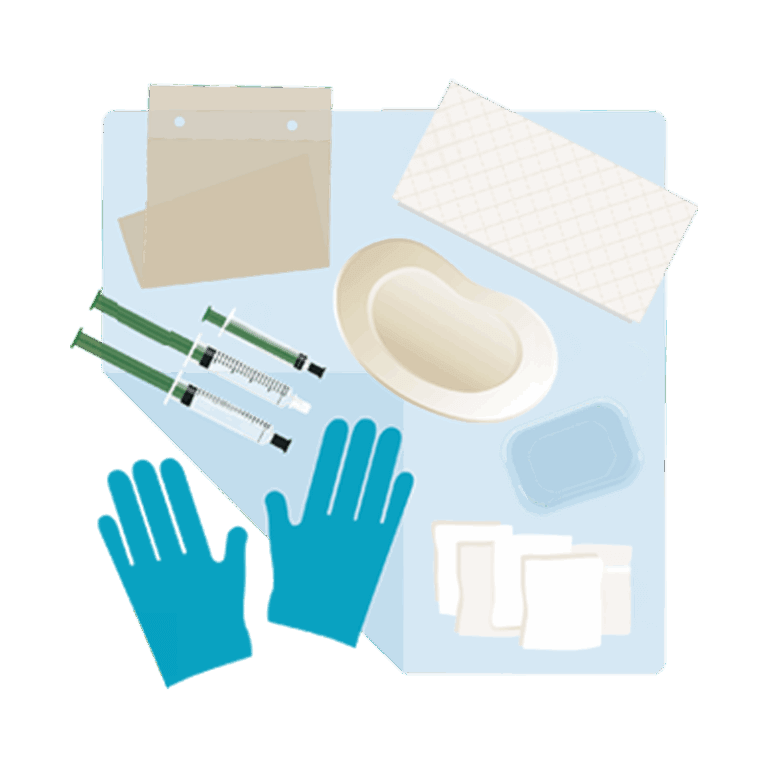
Hekura Catheter Set Clean

Towards sustainable care Clean rather than sterile bladder catherisation

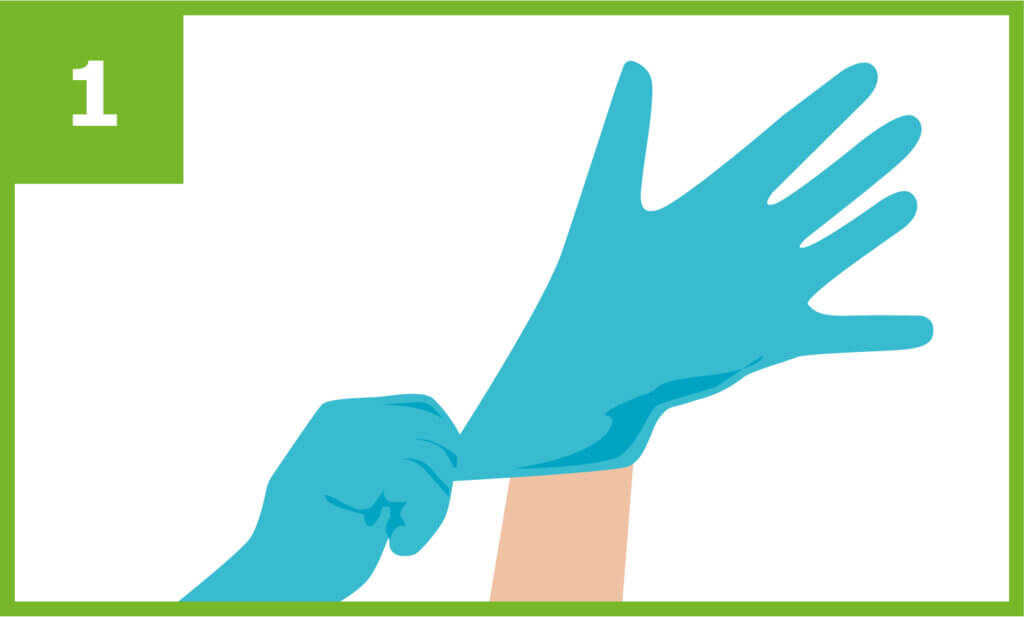
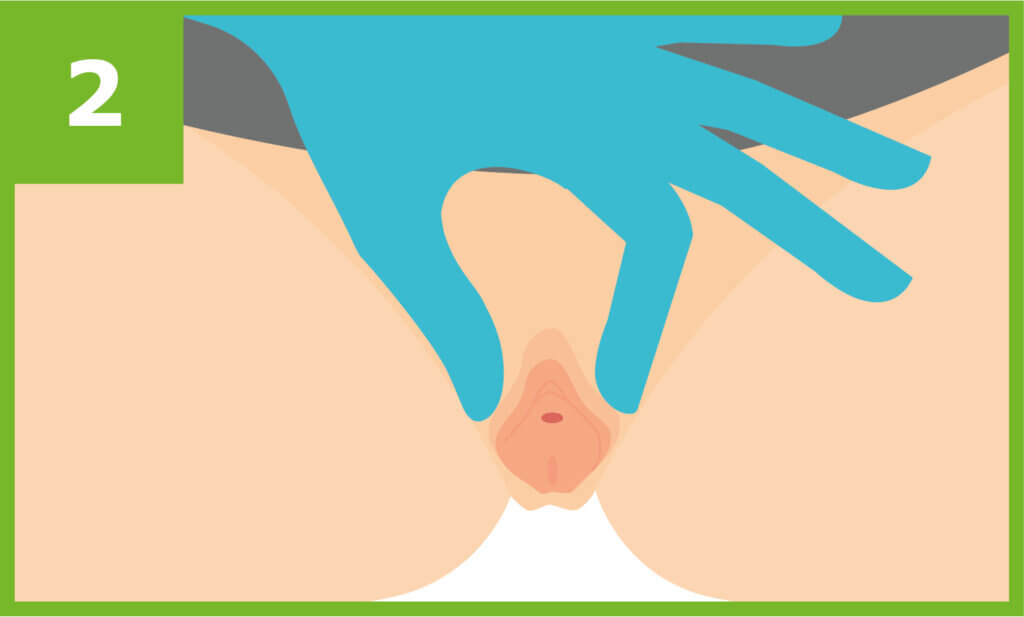
Catheterising woman protocol

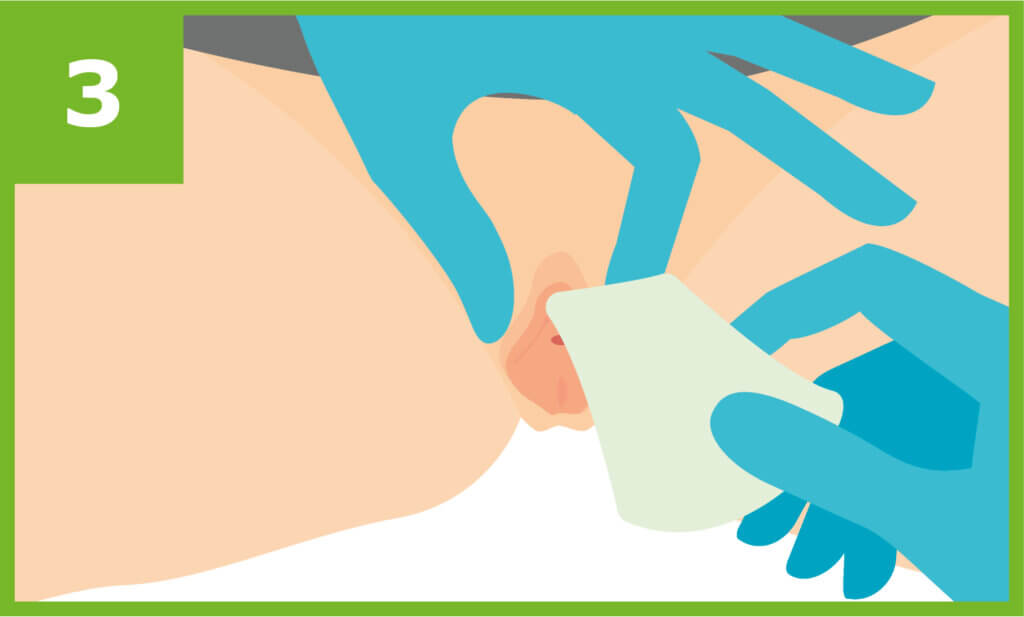
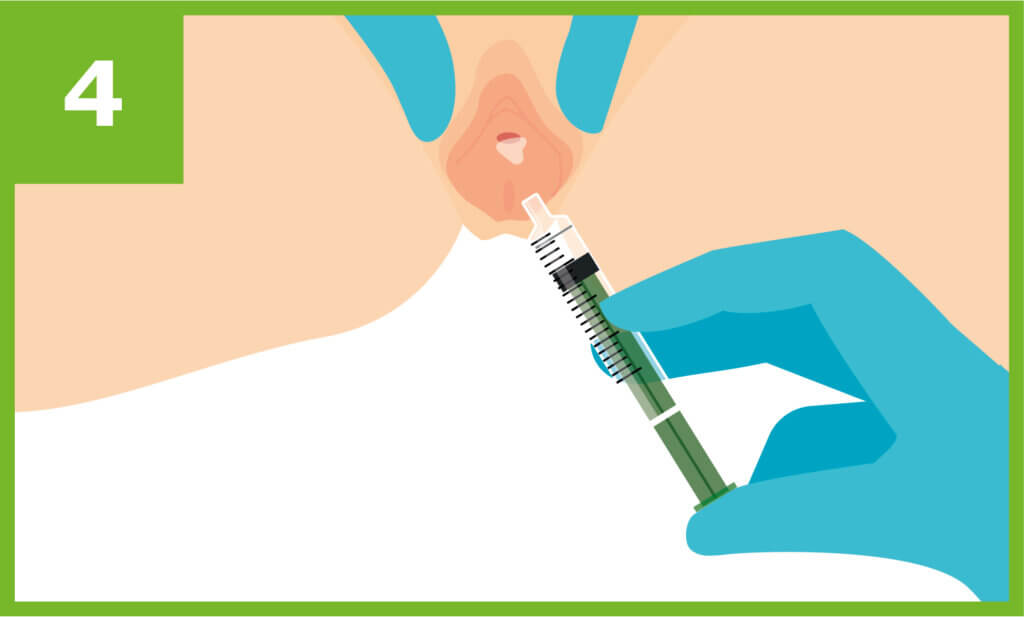
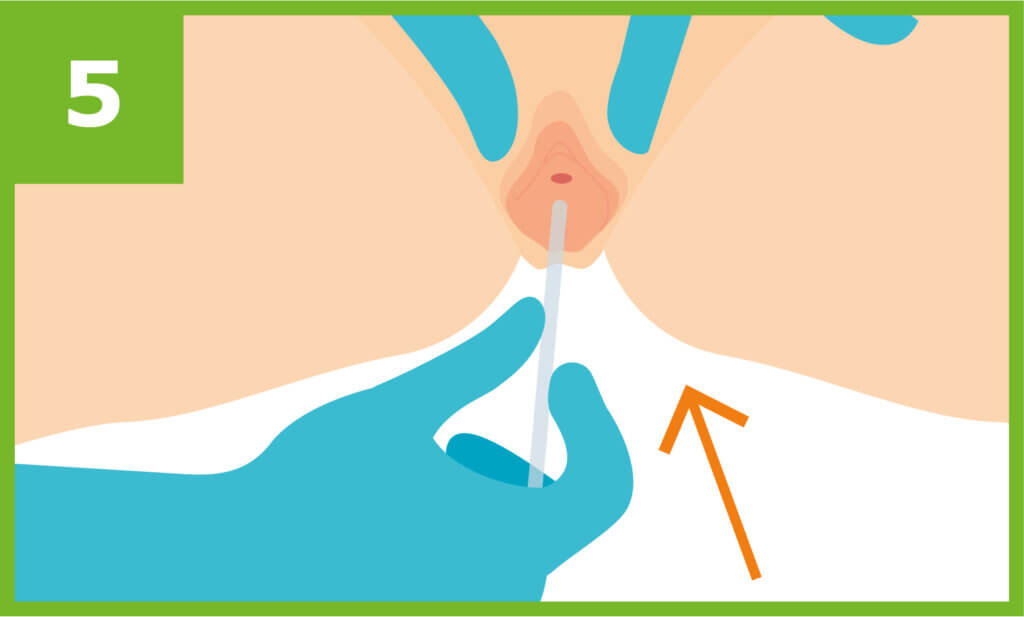
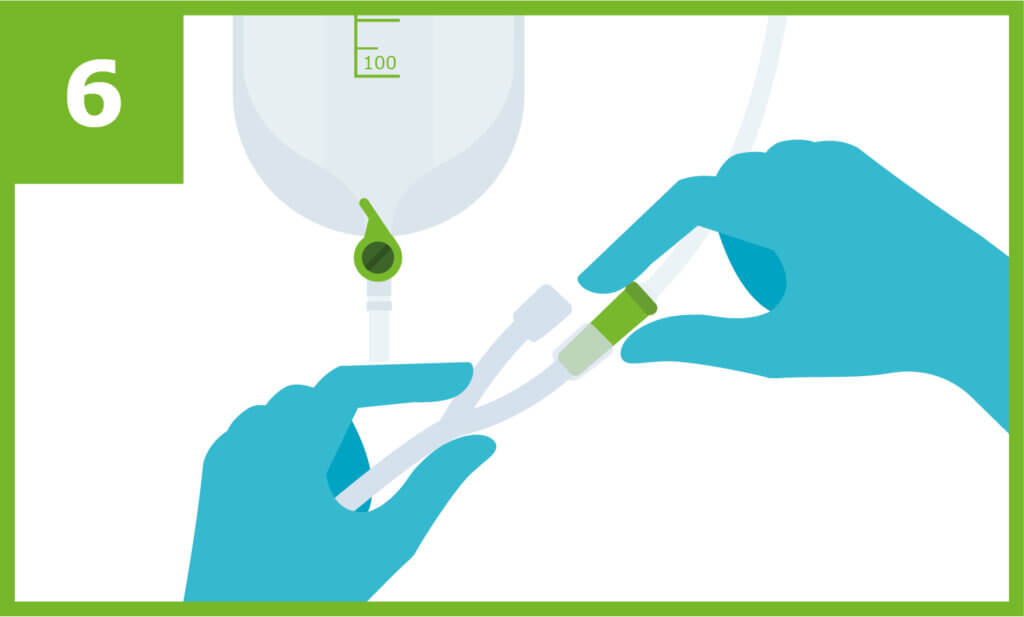
The image below shows the protocol for inserting a catheter in a woman.

  1. Donning unsterile gloves
  2. Spreading labia
  3. Cleaning Urethra entrance with gauze and (tap) water
  4. Inserting gel into urethra
  5. Insert catheter without tip to teraken (or use no-touch method as described in Villan's protocol)
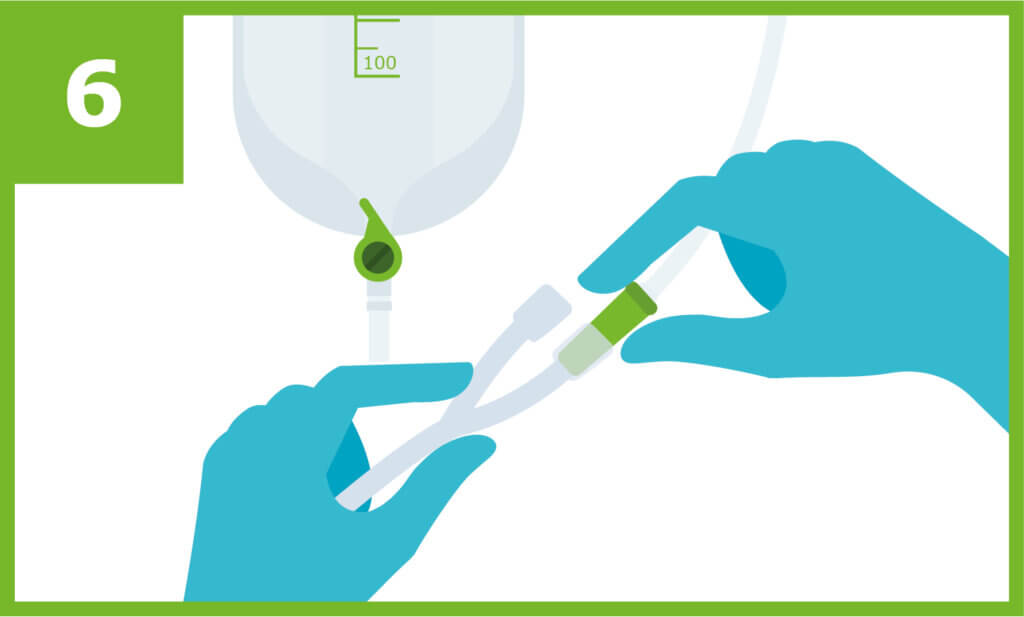
  6. For urine, inflate balloon and connect to catheter 

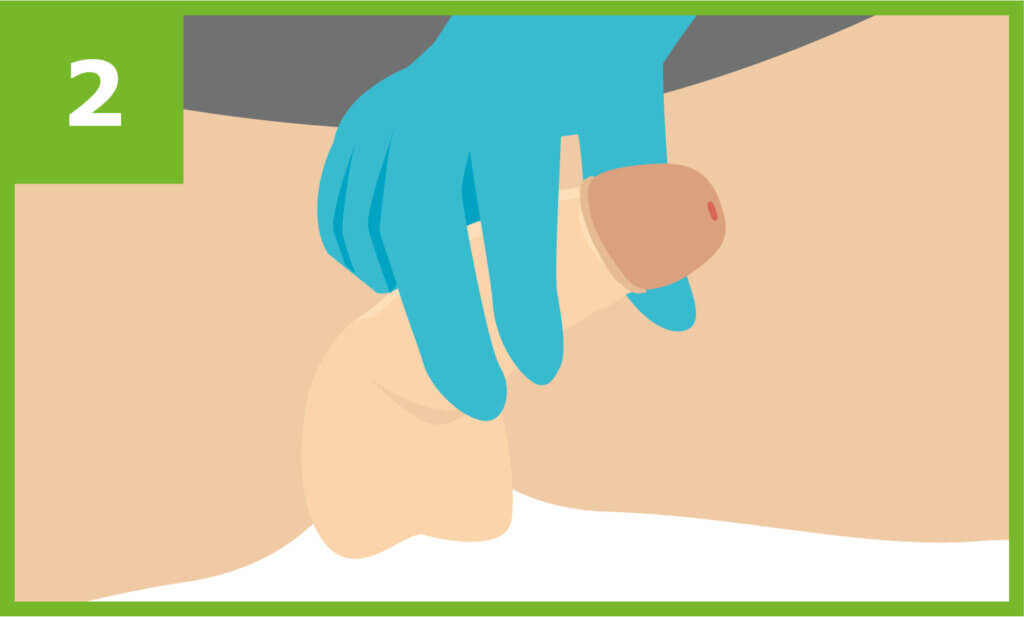
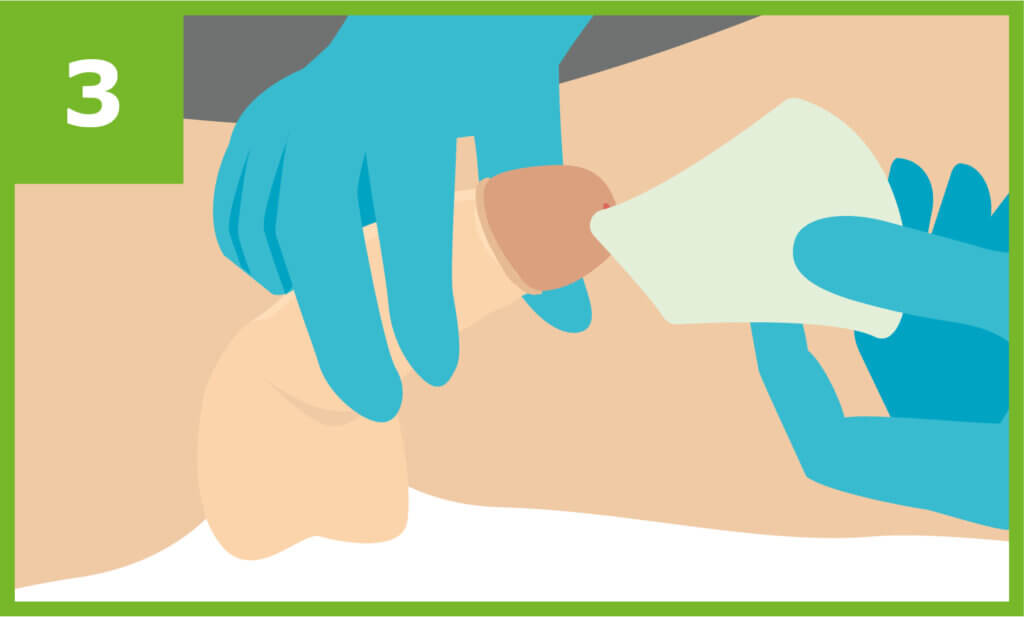
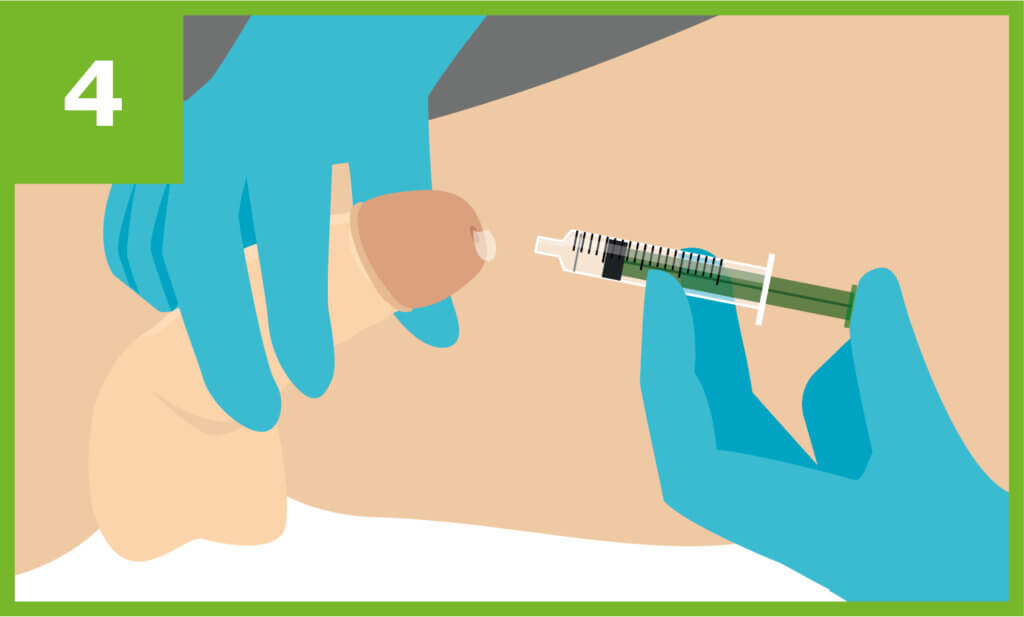
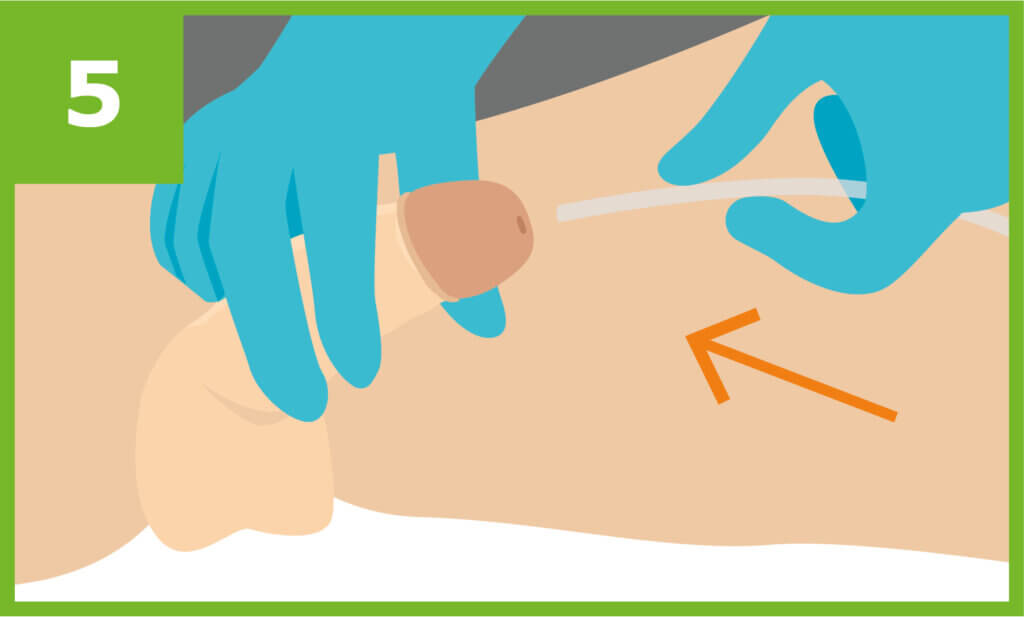
Catheterising man protocol

The image below shows the protocol for inserting a catheter in a man.

  1. Donning unsterile gloves
  2. Penis stretching
  3. Cleaning Urethra entrance with gauze and (tap) water
  4. Inserting gel into urethra
  5. Insert catheter without tip to teraken (or use no-touch method as described in Villan's protocol)
  6. For urine, inflate balloon and connect to catheter 

Contraindications clean catheterisation

Although clean catheterisation is safe and effective in many situations, there are circumstances in which this method is ill-suited or even ill-advised is. The main contraindications are:

  • Chem rinse In patients undergoing chemoresistance of the bladder (e.g. with mitomycin or BCG), clean catheterisation is not allowed. The risk of spreading cytotoxic agents or infections is too high, requiring a sterile technique.

  • Immunocompromised patients Individuals with weakened immune systems, for example due to chemotherapy, HIV, use of immunosuppressants or after organ transplantation, are at increased risk of infection. For this group, sterile catheterisation is recommended to provide maximum protection.

  • Urodynamic testing During urodynamic examinations, it is essential that the procedure is completely sterile. This prevents bacteria from entering the bladder and affecting the examination results or causing complications.

  • Catheterisation over feeder wire When a catheter is inserted via a liner, for example in complex urological procedures, clean catheterisation is not appropriate. The technique requires a sterile environment to avoid complications such as urethral damage or infection.

  • Children under 18 In children and adolescents, clean catheterisation is not recommended. Their anatomy and increased susceptibility to infection make sterile catheterisation preferable. Moreover, guidance by a doctor or nurse is necessary to ensure safety and correct use.

Disclaimer

Note: Catheterisation is a medical procedure that should only be performed on the advice of a doctor or nurse. Never start catheterisation on your own initiative. The correct choice of catheter, technique and hygiene are essential for safe application.

Wij hebben dit blogartikel met de grootst mogelijke zorgvuldigheid geschreven met behulp van externe deskundigen. Ondanks de betrachte zorgvuldigheid staat van Heek Medical er niet voor in dat de informatie volledig, juist en/of up-to-date is. De informatie is uitsluitend bedoeld als algemene informatie. Van Heek Medical is niet aansprakelijk, uit welke hoofde dan ook, voor schade die voortvloeit uit en/of verband houdt met de informatie. Deze informatie is nimmer een vervanging voor medische zorg. Ieder mens is uniek. Kennelijke vergissingen of kennelijke fouten binden Van Heek Medical niet.

Gerelateerde blogposts

New: Heka EasyPlast
Plaster dispenser

Sir, just stick it on and go. It can be that easy!