Obstipation, also known as constipation or constipation, is a common problem where stools are difficult or less frequent. This can lead to discomfort and pain. What are the symptoms, causes and what can you do about it? We explain it to you in this article!
Different forms of constipation
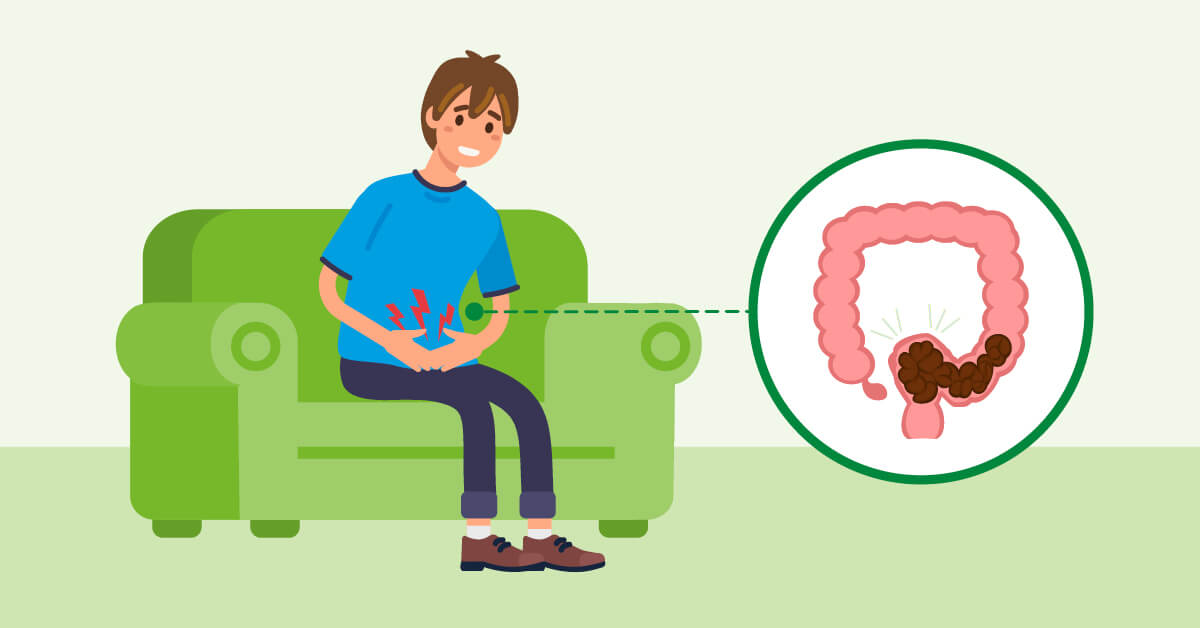
Constipation occurs when stools remain in the colon for too long. This causes the stools to become hard and dry. There are different forms of constipation, including:
- Acute constipation: This is a sudden and temporary form of constipation. It can occur due to changes in diet, stress, medication or a sudden change in daily routine, such as travelling.
- Chronic constipation: This is a long-term form of constipation. It is often linked to underlying health problems or a persistent unhealthy lifestyle. This type of constipation can last for months or even years. It requires extensive medical evaluation and treatment.
- Overflow diarrhoea: This occurs when liquid stools leak past hard, stuck stools into the intestine. This can happen when the bowel is so full of hard stools that only soft stools can pass by. Overflow diarrhoea looks like diarrhoea, but the cause is constipation. This type of constipation often requires medical intervention to remove the hard stools and restore bowel function.
What causes constipation?
Constipation can be caused by many different factors, both physical and psychological. Here are some of the most common causes:
- Insufficient fibre intake: Fibres play a crucial role in promoting healthy bowel movements. They add volume to stools, making them move more easily through the intestines. A low-fibre diet, especially consisting of processed foods, can lead to hard and dry stools, causing constipation.
- Insufficient fluid intake: Drinking enough is essential to keep stools soft. If you don't drink enough water, stools can dry out and become hard. It is important to drink enough water daily, especially if you consume a lot of fibre.
- Lack of physical activity: Exercise stimulates bowel function. A lifestyle where you sit still a lot can lead to sluggish bowel function. This can cause constipation. Even light activities like walking can have a positive effect on bowel health.
- Medication: Certain medications can cause constipation as a side effect. These include opioids (painkillers), iron supplements and some antidepressants. If you think your medication is the cause, discuss this with your doctor. It may be possible to adjust the dosage or prescribe an alternative medicine.
- Delaying toilet visits: Ignoring the urge to defecate can lead to constipation. When you ignore the urge to defecate, stools stay longer in the colon. As a result, more water is absorbed, making stools harder and drier. It is therefore important to go to the toilet as soon as you feel the urge.
- Psychological factors: Stress, anxiety and depression can also contribute to constipation. These psychological factors can slow down digestion and affect bowel function. It is important to find ways to cope with stress, such as meditation, yoga or other relaxation techniques.
Symptoms of constipation
Constipation, or constipation, can manifest itself in different ways. Symptoms can vary in severity and duration. The most common symptoms are:
- Pooping less than three times a week: One of the main indicators of constipation is reduced frequency of bowel movements. If you defecate less than three times a week, this may indicate constipation. This is because stools stay in the colon for too long. As a result, it becomes harder and drier.
- Hard, dry stools: When stools remain in the colon for too long, more water is absorbed from them. As a result, it becomes hard and dry. This makes defecation painful and difficult. Hard stools can also lead to anal fissures, small tears in the skin around the anus. These can cause pain and bleeding.
- Abdominal pain and stomach cramps: These are common symptoms of constipation. This pain is caused by the accumulation of stool in the colon. This causes pressure and discomfort. The pain can range from mild to severe and may be accompanied by bloating.
- Difficult bowel movements: Difficulty defecating is another common symptom of constipation. This can include feeling like you have to push to get the stool out. Or you may feel like you haven't fully defecated. This can lead to frustration and discomfort.
What to do in case of constipation?
If you suffer from constipation, there are several steps you can take to get relief:
- Drink plenty of water: Aim for 1.5 to 2 litres a day. Water keeps stools soft and supple. This allows stools to move more easily through the intestines.
- Eat high-fibre foods: Fibres are essential for healthy digestion. They add volume to stools and promote regular bowel movements. Try to consume 25-30 grams of fibre daily. Wholemeal products, vegetables, fruits and pulses are good sources of fibre.
- Exercise regularly: Daily exercise helps boost bowel function. Try to exercise for at least 30 minutes a day. Regular exercise not only helps relieve constipation but also promotes overall health.
- Go to the toilet when urged: Do not postpone going to the toilet. Postponing can lead to constipation, as stools stay longer in the colon and become harder and drier. Try to develop a routine of going to the toilet at the same time every day, such as after breakfast. This can help train your bowels and promote regular bowel movements.
Nutrition
Diet plays a crucial role in preventing and relieving constipation. The right diet can improve digestion, boost bowel function and make stools softer. Here are some foods that can help:
- High-fibre foods: Fibres add volume to stools. They help stools move smoothly through the intestines. There are two types of fibre: soluble and insoluble fibre. Both types are important for healthy bowel movements.
- Soluble fibres: These fibres dissolve in water and form a gel-like substance that makes stools softer. Good sources of soluble fibre are oats, barley, citrus fruits, carrots and legumes.
- Insoluble fibre: These fibres add bulk to stools and help them move faster through the intestines. They are found in whole grain products, nuts, seeds, cauliflower, green beans and potatoes.
- Foods with natural laxative effect: Some foods naturally have a laxative effect and can help promote regular bowel movements.
- Plums and plum juice: Plums contain sorbitol, a sugar alcohol that draws water into the intestines and makes stools softer.
- Kiwis: Kiwis are rich in fibre and contain actinidin, an enzyme that aids digestion.
- Citrus fruits: Fruits such as oranges, lemons and grapefruits are high in fibre and vitamin C, which can help promote healthy digestion.
- Regular meals: Eating regular meals can help promote regular bowel movements. Try to eat at the same times every day and don't skip meals. A high-fibre breakfast can get the bowels moving and stimulate digestion.
TIps
Brush up on your knowledge!
How much do you know about the impact of food on your bladder and bowels? Find out how your eating habits can affect your health. And learn practical tips to improve your well-being.
Click the button below and start the e-learning!
Some additional tips to prevent or relieve constipation:
- Start the day with a glass of warm water with lemon. This can stimulate digestion.
- Use a footstool by the toilet. This can help improve posture during defecation.
- Avoid excessive use of laxatives. This can lead to dependency.
Fixing constipation
If you still suffer from constipation despite the above measures, consider the following options:
- Natural laxatives: such as psyllium fibre or flaxseed.
- Probiotics: these can help balance gut flora.
- Medical aid: consult a doctor if constipation persists or is accompanied by severe symptoms.
Constipation can have a significant impact on your daily life, but with the right approach and lifestyle changes, it is possible to manage this problem effectively. It is important to understand that constipation is often a result of multiple factors, including diet, hydration, exercise and stress. By addressing these factors, you can not only find relief but also improve your overall bowel health.
Disclaimer
Van Heek Medical heeft dit blogartikel met de grootst mogelijke zorgvuldigheid geschreven met behulp van externe deskundigen. Ondanks de betrachte zorgvuldigheid staat Van Heek Medical er niet voor in dat de informatie volledig, juist en/of up-to-date is. De informatie is uitsluitend bedoeld als algemene informatie. Van Heek Medical is niet aansprakelijk, uit welke hoofde dan ook, voor schade die voortvloeit uit en/of verband houdt met de informatie. Deze informatie is nimmer een vervanging voor medische zorg. Ieder mens is uniek. Kennelijke vergissingen of kennelijke fouten binden Van Heek Medical niet.